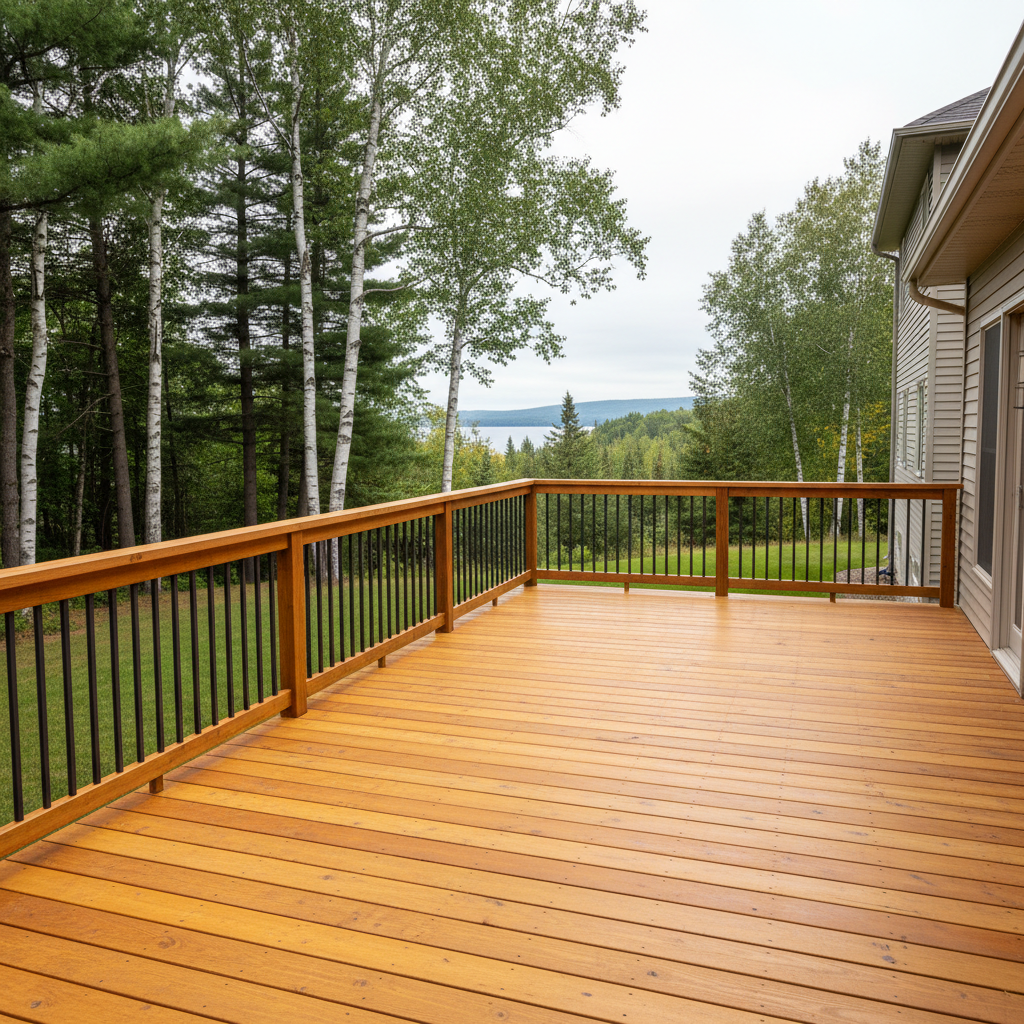
You've got a beautiful wooden deck, right? It's an investment, and up here in Duluth, that investment takes a beating. Our winters are brutal, the freeze-thaw cycles are relentless, and the humidity in summer can be just as tough. So, how do you keep that deck looking good and, more importantly, safe for years to come?
The Secret to Longevity: Proactive Protection
Look, the biggest thing you can do for a wooden deck is protect it from the elements. That means proper sealing or staining. I'm not talking about just slapping on some paint, either; I'm talking about a quality product applied correctly. Up here, you really need something that can stand up to extreme temperature swings, heavy snow loads, and constant moisture. We've seen too many decks fail prematurely because they weren't protected right from the start.
You should be resealing or restaining your deck every 2-3 years, depending on the product and how much sun and weather it gets. If your deck is on the exposed hillside facing Lake Superior, it's going to need more frequent attention than one tucked away in a sheltered backyard in Lakeside. Don't wait until the finish is peeling and the wood is graying. By then, you're not just protecting; you're trying to restore, and that's a whole different ballgame.
Your Regular Maintenance Checklist
This isn't rocket science, but it makes a huge difference. Think of it like changing the oil in your car.
- Clean it regularly: At least once a year, preferably in the spring after the snow melts and again in the fall before it starts. Use a good deck cleaner – not just bleach, which can damage wood fibers. A pressure washer can be great, but be careful. Too much pressure, and you'll gouge the wood, especially softer species like cedar. Keep the nozzle moving and stay a foot or so away.
- Sweep off debris: Leaves, pine needles, dirt – they all trap moisture against the wood, which leads to rot. Get rid of them. Especially important in the fall before the snow covers everything.
- Check for fasteners: Are any nails popping up? Screws loose? Hammer 'em down or tighten 'em up. Loose fasteners can be tripping hazards and also allow water to seep into the wood.
- Inspect for rot and mold: Pay close attention to areas that stay wet, like around planters or where snow tends to drift. Probe the wood with a screwdriver; if it's soft and spongy, you've got rot. Black spots usually mean mold or mildew.
- Keep vegetation clear: Don't let bushes or plants grow right up against your deck. They trap moisture and block airflow, creating perfect conditions for rot and insects.
Warning Signs You Can't Ignore
Your deck will tell you when it's in trouble, if you know what to look for. Don't brush these off:
- Soft or spongy wood: This is a big one. Especially around posts, joists, or stair stringers. If you can easily push a screwdriver into the wood, you've got rot, and that's a structural issue.
- Cracked or splintered boards: A few small cracks are normal, but deep, long cracks can weaken the board. Splinters are a hazard.
- Loose railings or wobbly posts: This is a safety issue, plain and simple. If your railings aren't solid, someone could fall.
- Discoloration or excessive mildew: While some discoloration is normal weathering, large patches of dark, fuzzy growth indicate a moisture problem that needs addressing.
- Visible insect damage: Small holes, sawdust-like piles (frass), or tunnels in the wood mean you might have carpenter ants or other pests. They love damp wood.
When to Call a Professional (Like Us)
You can handle a lot of the basic stuff yourself, but there are times when you really need to bring in someone who knows what they're doing. That's where we come in at Duluth Custom Decks.
- Structural concerns: If you find widespread rot in joists, beams, or ledger boards (the board attaching the deck to your house), don't try to DIY that. It's complex, requires specific knowledge of building codes, and your family's safety depends on it.
- Major repairs: Replacing multiple deck boards, stair stringers, or railing sections can be more involved than you think. Getting the angles right, ensuring proper fastening, and matching existing materials takes experience.
- Water drainage issues: If you're constantly fighting standing water on or under your deck, or if water is pooling against your house foundation because of the deck, that's a job for a pro. We can assess the grading and recommend solutions.
- You're just not comfortable: Hey, not everyone is a handyman. If you're unsure, or you just don't have the time or tools, it's always better to call someone. We'd rather you call us for an inspection than see someone get hurt or a deck fall apart.
Keeping your wooden deck in good shape isn't just about curb appeal; it's about safety and protecting your investment. A little attention now can save you a lot of headaches and money down the road, especially with what our Duluth weather throws at us.