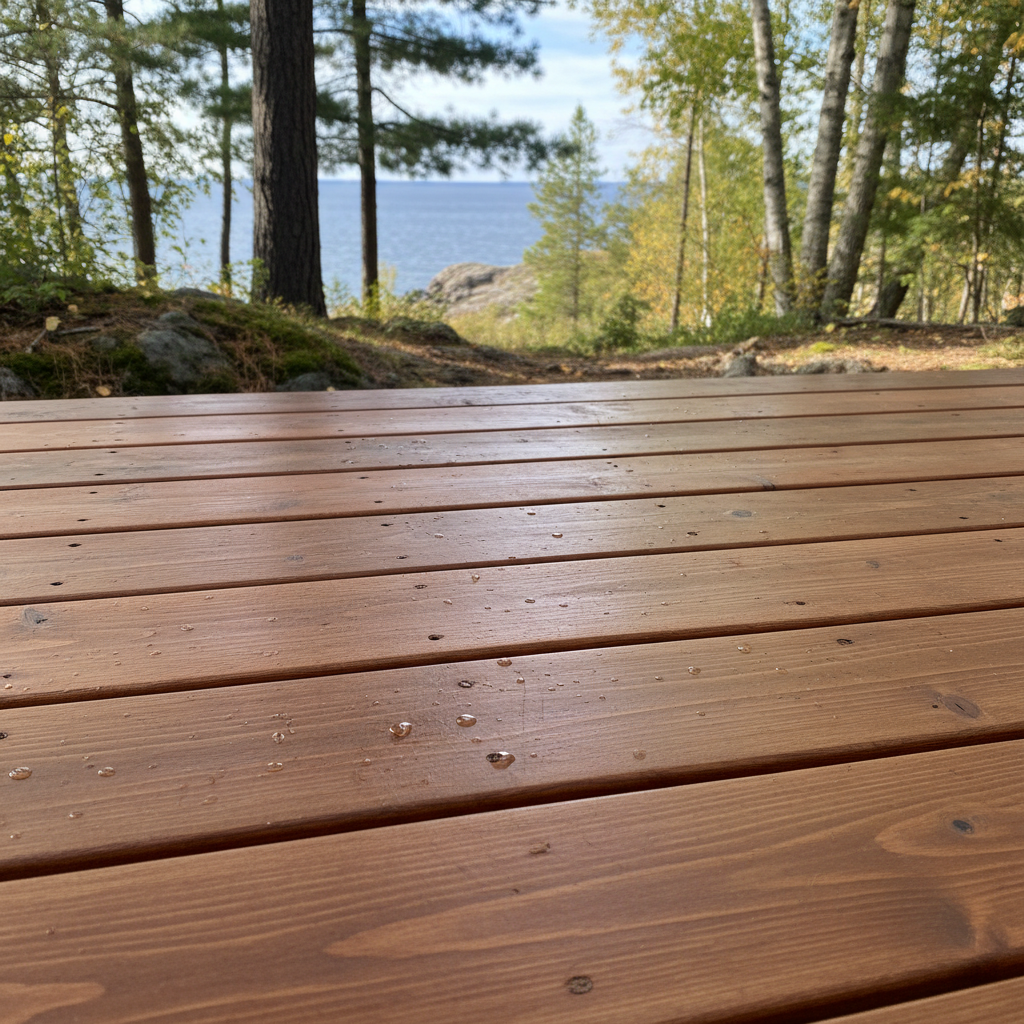
So, you're looking at your deck and thinking it could use a fresh coat, huh? Happens every year. Whether it's paint or stain, giving your deck some love isn't just about making it look good; it's about protecting your investment from our brutal Duluth weather. We get everything from freezing rain to scorching sun, sometimes in the same week, and that takes a toll on wood.
Before You Even Think About Brushes
First things first: clean that deck. Seriously. You wouldn't paint a dirty wall, right? Same goes for your deck. Get a good deck cleaner – there are plenty of oxygen bleach or sodium percarbonate options that work great without being too harsh on your plants. Spray it on, let it sit for 10-15 minutes, then scrub with a stiff brush. A pressure washer can be your best friend here, but be careful. Too much pressure, or holding it too close, and you'll gouge the wood. I've seen plenty of folks accidentally ruin their deck boards trying to get them spotless. If you're not confident with a pressure washer, a good scrub brush and some elbow grease will do the trick.
After cleaning, let it dry. And I mean *really* dry. We're talking 2-3 sunny, dry days, especially if you've got older, more porous wood. If you try to stain or paint over damp wood, you're just asking for peeling and blistering down the road. Trust me on this one.
Next, inspect for repairs. Loose boards? Popped nails? Splinters? Fix 'em. Replace any rotten wood. Sand down rough spots. This isn't just cosmetic; it's about safety and ensuring your new finish adheres properly.
Stain vs. Paint: What's the Difference?
This is a big one, and it comes down to what you want and what kind of shape your deck is in.
- Stain: This is what most people go for. It penetrates the wood, protecting it from UV rays and moisture while letting the natural wood grain show through. Stains come in different opacities: clear, toners, semi-transparent, semi-solid, and solid. The more opaque the stain, the more pigment it has, and the more protection it offers, but the less wood grain you'll see. For a deck in good shape that you want to show off, a semi-transparent is usually a great choice.
- Paint: Paint sits on top of the wood, forming a film. It offers maximum protection and can cover up imperfections, but you won't see any wood grain. If your deck is older, has some mismatched repairs, or you just want a completely uniform color, paint might be the way to go. Just know that paint is more prone to chipping and peeling, especially on horizontal surfaces like decks that see a lot of foot traffic and weather exposure. Once you paint, you're pretty much committed to painting again in the future.
My advice? For most decks, especially here in Duluth where we're always battling moisture and temperature swings, a good quality solid or semi-solid stain is often the sweet spot. It gives you good protection and color without the future headaches of peeling paint.
The Application Process: DIY or Pro?
Okay, you've cleaned, repaired, and chosen your finish. Now for the fun part. This is where you decide if you're tackling it yourself or calling in the cavalry.
Doing It Yourself:
If your deck is relatively small, in good shape, and you're comfortable with a brush and roller, you can absolutely do this. Here's what you need to know:
- Watch the weather: No direct sun, no rain, and no super high humidity. Aim for a cloudy day with temperatures between 50-80°F. The finish needs time to cure properly.
- Work in sections: Don't try to do the whole deck at once. Work on a few boards at a time, keeping a wet edge to avoid lap marks.
- Thin coats are key: Don't glob it on. Two thin coats are always better than one thick one. This helps with adhesion and prevents bubbling.
- Tools: A good quality brush for railings and tight spots, a roller or pad applicator for the deck boards. Don't cheap out on brushes; it makes a huge difference.
When to Call Duluth Custom Decks (or another Pro):
Sometimes, it's just not worth the headache, or the job is too big/complex for a weekend warrior. Here are some signs it's time to call us:
- Large or multi-level decks: If your deck is huge, has a lot of intricate railings, or multiple levels, it's a massive undertaking. Professionals have the right equipment and crew to get it done efficiently and correctly.
- Significant repairs needed: If you've got widespread rot, structural issues, or a lot of splintered wood, you might need more than just a quick fix.
- Time constraints: Don't have a free weekend (or two, or three) to dedicate to this? We do.
- You want it done right, guaranteed: We've got the experience to pick the right products for our climate and apply them correctly, ensuring a long-lasting finish. Plus, we stand by our work.
- Lead paint concerns: If your deck is really old and has layers of paint, there's a chance it could contain lead. That's definitely a job for professionals who know how to handle hazardous materials safely.
After the Finish Dries
Once your deck is stained or painted, give it plenty of time to cure before putting furniture back or letting pets and kids loose on it. Read the product label for specific cure times, but usually, it's a few days to a week. After that, enjoy your refreshed outdoor space! A little regular cleaning – sweeping off leaves, occasional light washing – will go a long way in extending the life of your new finish.
Remember, a well-maintained deck adds value and enjoyment to your home. Whether you DIY or call us, just make sure you're protecting that wood from everything Mother Nature throws at us here on the North Shore.